
Florida Retail & Shopping Center Bridge Loans (2025): Fast Capital for Acquisition, Lease-Up & Repositioning
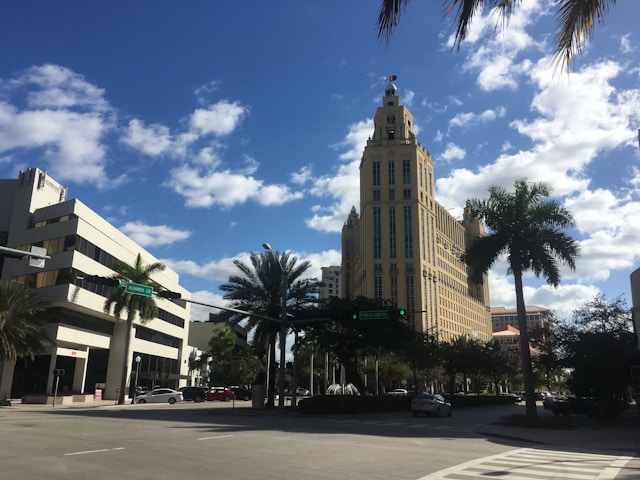
Florida’s retail market is one of the strongest in the nation heading into 2025, supported by high population growth, tourism strength, and booming suburban expansion.
As a result, investors are aggressively acquiring and repositioning strip centers, small shopping plazas, and standalone retail buildings.
However, traditional banks continue to decline retail loans due to vacancy, deferred maintenance, tenant turnover, and NOI instability. Private bridge lenders, on the other hand, offer fast, flexible capital for acquisition, renovation, lease-up, rebranding, and repositioning.
This guide explains how Florida retail and shopping center bridge loans work, what lenders require, common strategies, and the best investment markets in the state.
Eligible Retail Property Types
Bridge lenders fund a wide range of retail assets, including:
- Strip centers
- Neighborhood shopping centers
- Community retail centers
- Mixed-use retail buildings
- Lifestyle centers
- Medical retail and dental centers
- Shadow-anchored centers
- Outparcels and standalone retail spaces
- Redevelopment and value-add retail
Properties with vacancy or deferred maintenance remain fully eligible for bridge financing.
Why Banks Decline Retail Deals
- Low DSCR caused by vacancy
- Short lease terms or month-to-month tenants
- Non-credit tenants
- Need for re-tenanting or TI improvements
- Deferred maintenance
- Insufficient historical financials
- Maturing CMBS or private notes
- Market repositioning requirements
Private lenders underwrite retail deals based on location quality, tenant demand, repositioning strategy, and upside potential.
Typical Florida Retail Bridge Loan Terms (2025)
- Loan Amounts: $500,000 – $50,000,000+
- LTV: 70%–75% (as-is value)
- LTC: Up to 85% (purchase + renovation + TI)
- Stabilized Value Leverage: Up to 70%
- Loan Term: 12–36 months
- Interest: Interest-only
- Closing Speed: 7–21 days
Use of Funds
- Renovation and modernization
- Tenant improvements and leasing commissions
- Buildouts for new tenants
- Roof, HVAC, lighting, and parking lot upgrades
- Rebranding, signage, and façade improvements
- Refinancing maturing debt
What Private Lenders Evaluate
- Location
- Traffic counts
- Visibility and access
- Nearby anchors
- Demographics and income levels
- Retail demand drivers
- Tenant Mix
- Credit vs. non-credit tenants
- Lease terms
- Rent roll stability
- Diversity of tenant categories
- Business Plan
- Leasing and repositioning strategy
- Renovation scope
- TI budgets
- Stabilized NOI projections
- Investor Experience Experience helps but is not required. Strong property management and leasing teams can offset limited sponsor experience.
Common Renovation & Repositioning Strategies
- Re-tenanting vacant spaces
- Offering competitive TI packages
- Modernizing façades, signage, and lighting
- Parking lot resurfacing
- Converting older retail to medical or service use
- Subdividing large spaces into smaller units
- Expanding outdoor seating for restaurants
Strongest Florida Retail Markets (2025)
- Tampa / St. Petersburg / Clearwater
- Orlando / Kissimmee
- Miami / Fort Lauderdale
- Jacksonville
- Sarasota / Bradenton / Lakewood Ranch
- Naples / Bonita Springs
Exit Strategies After a Retail Bridge Loan
- Commercial bank refinance post-stabilization
- CMBS refinance for larger centers
- DSCR commercial loan
- SBA 504 or 7(a) for owner-occupied retail
- Sale of stabilized center
- Portfolio refinance
Conclusion
Florida continues to be one of the nation’s strongest retail real estate markets. Private bridge financing allows investors to act quickly, reposition assets, and stabilize NOI without bank constraints.
👉 Submit Your Florida Retail Loan Scenario Today
FloridaHardMoney.com is not a direct lender. Loan scenarios are reviewed by private lenders who may contact investors directly.