
Florida Mixed-Use Conversion Loans (2025): Converting Retail, Office & Hospitality into Residential or Hybrid Spaces
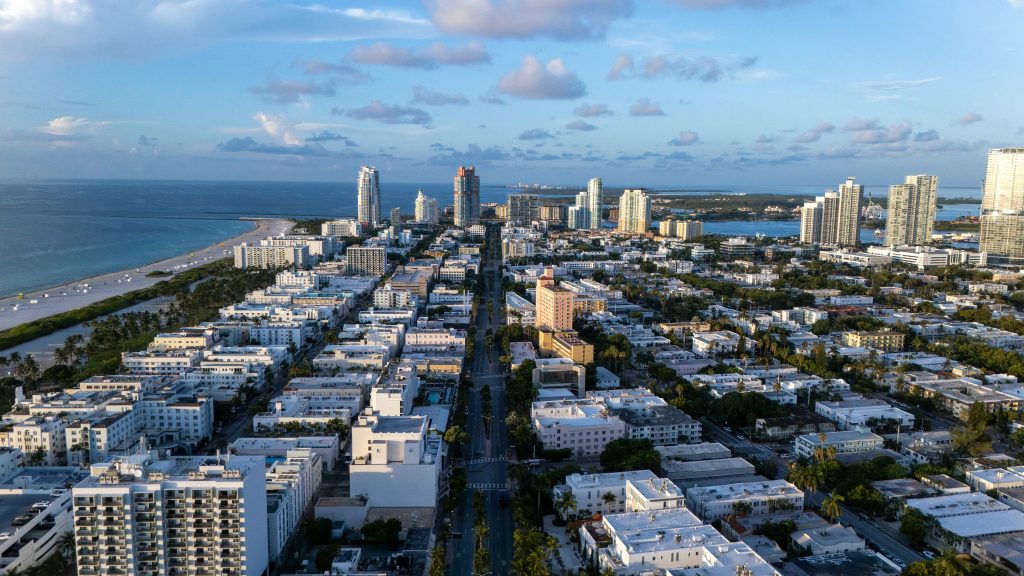
Florida is experiencing a major wave of adaptive reuse as developers transform underutilized retail, office, industrial, and hospitality properties into vibrant residential and mixed-use projects.
Changing market demand, the growth of remote work, rising land values, and the need for housing across the state have created ideal conditions for property conversions.
Traditional lenders rarely finance these transitional projects due to zoning uncertainty, construction complexity, or irregular income. Private mixed-use conversion loans provide the speed and flexibility needed to acquire, renovate, convert, and stabilize these assets.
This guide explains how mixed-use conversion loans work, what lenders require, common conversion strategies, and the most profitable locations in Florida for adaptive reuse in 2025.
What Are Mixed-Use Conversion Loans?
Mixed-use conversion loans are short-term, interest-only bridge loans used to:
- Acquire properties for adaptive reuse
- Convert retail or office into residential or live-work units
- Convert motels into multifamily or micro-apartments
- Renovate buildings for mixed-use occupancy
- Finance zoning modifications and code compliance
- Reconfigure layouts and building systems
- Stabilize NOI before long-term refinancing
Why Conversions Are Surging in Florida (2025)
- Retail oversupply in key corridors
- Declining demand for traditional office space
- Severe statewide housing shortages
- Aging motel inventory ideal for conversion
- Zoning changes supporting higher density
- Lower cost vs. ground-up development
- Higher ROI for adaptive reuse projects
Cities such as Tampa, Miami, Orlando, and Jacksonville actively encourage mixed-use redevelopment.
Eligible Property Types
- Retail → Residential / Mixed-use
- Office → Residential / Live-work / Workforce housing
- Motel → Apartment conversions
- Industrial → Flex or mixed-use
- Hospitality → Residential or boutique mixed-use
- Assemblages → Multi-block redevelopment
Typical Florida Mixed-Use Conversion Loan Terms (2025)
- Loan Amounts: $500,000 – $50,000,000+
- LTV: 70%–75% (as-is value)
- LTC: Up to 85%
- Stabilized Leverage: Up to 70% of ARV
- Term: 18–36 months
- Interest: Interest-only
- Closing Speed: 10–30 days
Eligible Costs
- Demolition and reconfiguration
- Residential buildouts
- Commercial tenant improvements
- MEP upgrades
- Roof replacement
- Life-safety and sprinkler systems
- Façade and structural improvements
- Parking lot redesign
- Rezoning and legal costs
What Private Lenders Evaluate
- Property condition
- Zoning and entitlement feasibility
- Conversion plan and construction budget
- Investor execution capability
Popular Conversion Types (2025)
Retail → Residential / Mixed-Use
Strip centers and big-box retail offer strong conversion opportunities.
Office → Residential
Older office buildings with declining occupancy are prime candidates.
Motel → Apartment
Florida’s fastest-growing conversion category.
Industrial → Mixed-Use Flex
Warehouses converted into lofts, studios, and creative spaces.
Hospitality → Residential
Boutique hotels repositioned for rental housing.
Best Florida Markets for Mixed-Use Conversions (2025)
- Tampa / St. Petersburg
- Orlando / Kissimmee
- Jacksonville
- Miami / Wynwood / Little Havana
- Fort Lauderdale / Hollywood
- Sarasota / Bradenton
Exit Strategies After a Conversion Loan
- DSCR refinance
- Agency refinance (Fannie/Freddie)
- Commercial refinance post-stabilization
- HUD financing for affordable housing
- SBA 504 or 7(a)
- Sale or recapitalization
Conclusion
Adaptive reuse is reshaping Florida’s real estate landscape. Mixed-use conversion loans allow investors to move quickly, manage complexity, and maximize value.
👉 Submit Your Florida Mixed-Use Conversion Loan Scenario Today
FloridaHardMoney.com is not a direct lender. Loan scenarios are reviewed by private lenders who may contact investors directly.