
Florida Mixed-Use Bridge Loans (2025 Guide): Financing Retail + Residential Hybrid Properties
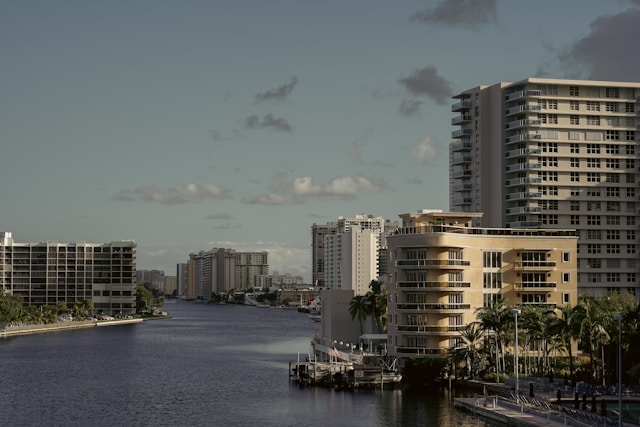
Mixed-use real estate—properties that combine apartments, storefronts, office space, or live-work units—continues to expand across Florida.
Cities focused on revitalization, walkable communities, and urban redevelopment have placed mixed-use assets at the center of new development.
Yet mixed-use buildings rarely qualify for bank loans due to irregular cash flow, zoning challenges, commercial vacancy, or deferred maintenance. This is why private mixed-use bridge loans have become essential for investors who need fast, flexible capital.
This guide explains how mixed-use bridge loans work, what lenders require, typical terms, Florida’s strongest markets, and how investors can acquire, renovate, reposition, or stabilize mixed-use properties in 2025.
What Are Mixed-Use Bridge Loans?
Mixed-use bridge loans are short-term, interest-only loans structured to fund:
- Property acquisitions
- Renovation and modernization
- Re-tenanting or commercial lease-up
- Rebranding and repositioning
- Refinancing maturing debt
- Stabilization before long-term refinance
These loans are ideal for buildings with combined commercial and residential uses that do not qualify for traditional financing.
Why Banks Struggle With Mixed-Use Financing
- Non-standard zoning
- Retail or office exposure
- Difficulty separating income streams
- Deferred maintenance
- Commercial vacancy
- Lower DSCR during renovation
- Complex ownership structures
Private lenders instead focus on asset value, renovation scope, and stabilization potential.
Eligible Property Types
- Retail + residential buildings
- Office + residential combinations
- Live-work buildings
- Boutique mixed-use (2–20 units)
- Coastal mixed-use assets
- Urban infill mixed-use structures
- Hospitality + residential hybrids
- Redevelopment and adaptive reuse projects
Typical Florida Mixed-Use Bridge Loan Terms (2025)
- Loan Amounts: $250,000 – $25,000,000+
- LTV: 70%–75% as-is value
- LTC: Up to 80% (purchase + renovation)
- Stabilized Value Leverage: Up to 70%
- Interest: Interest-only
- Term: 12–36 months
- Closing Speed: 7–21 days
What Lenders Evaluate
- The Asset
- Physical condition
- Market rents
- Commercial viability
- Rent roll consistency
- Zoning compliance
- Upside potential
- The Business Plan
- Renovation scope
- Commercial tenant improvements
- Lease-up timeline
- Stabilized NOI projections
- Repositioning strategy
- The Investor
- Execution ability
- Liquidity for renovations
- Experience helpful but not required
Common Renovation Projects
Residential Upgrades
- Flooring, kitchens, appliances
- Bathroom renovations
- Paint, lighting, HVAC
Commercial Improvements
- Storefront modernization
- Signage and branding
- ADA compliance
- Tenant improvement allowances
Exterior Enhancements
- Parking and landscaping
- Façade upgrades
- Roof and structural repairs
Best Florida Markets for Mixed-Use Investment (2025)
- Tampa / St. Petersburg
- Orlando
- Miami / Wynwood / Brickell
- Jacksonville
- Sarasota / Bradenton
- Gainesville / Tallahassee
Exit Strategies After a Bridge Loan
- DSCR refinance
- Commercial bank refinance
- SBA 504 or 7(a)
- Sale of stabilized asset
- Portfolio refinance
Conclusion
Mixed-use properties remain one of Florida’s strongest investment categories. Private bridge financing allows investors to act quickly and reposition assets without bank constraints.
👉 Submit Your Florida Mixed-Use Loan Scenario Today
FloridaHardMoney.com is not a direct lender. Loan scenarios are reviewed by private lenders who may contact investors directly.