
Florida Foreclosure Bailout Loans (2025 Guide): Fast Solutions for Residential & Commercial Properties
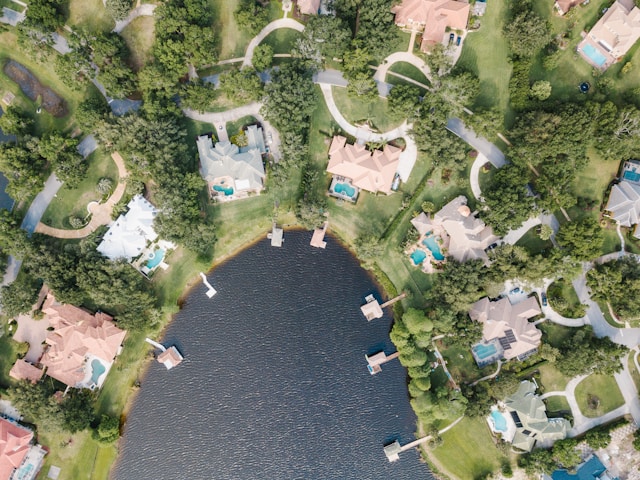
Foreclosure activity in Florida continues to rise heading into 2025, driven by insurance spikes, adjustable-rate resets, maturing balloon loans, commercial vacancies, and temporary financial hardship.
When time is running out and traditional lenders cannot move fast enough, private foreclosure bailout loans provide immediate relief.
This guide explains how foreclosure bailout loans work in Florida, which properties qualify, how fast they close, and how investors and homeowners can use private capital to stop foreclosure and protect their equity.
What Is a Foreclosure Bailout Loan?
A foreclosure bailout loan is a short-term, asset-based loan designed to:
- Stop a foreclosure sale
- Pay off a delinquent mortgage
- Satisfy back taxes or liens
- Refinance maturing or nonperforming debt
- Provide time for rental or cash flow stabilization
- Protect equity from being lost at auction
These loans prioritize speed and flexibility, allowing borrowers to regain control of their property before the foreclosure process is completed.
Residential Properties Eligible for Bailout Loans
- Single-family investment properties
- 2–4 unit rental properties
- DSCR rentals (even with weak current DSCR)
- Properties needing light repairs
- Luxury non-owner-occupied homes ($1M–$50M)
Some lenders may consider owner-occupied primary residences on a case-by-case basis when foreclosure is imminent.
Commercial Properties Eligible for Bailout Loans
- Multifamily (5–100+ units)
- Retail centers and strip plazas
- Office and medical office buildings
- Warehouse and light industrial
- Hotels and motels
- Self-storage facilities
- Mixed-use buildings
- Land (case-by-case)
How Fast Can a Foreclosure Bailout Close?
- Fastest closings: 3–7 days
- Standard closings: 7–14 days
- Complex commercial deals: 10–21 days
Speed depends on title reports, payoff statements, property access, appraisal or BPO availability, and the foreclosure sale date.
What Lenders Look For
- Property equity (60–70% LTV residential; 50–65% commercial)
- Property condition
- Stabilized value potential
- Borrower exit strategy
- Ability to service interest payments
Credit scores and income documentation are secondary to asset value and a realistic plan.
Common Foreclosure Scenarios
- Insurance premium spikes
- Adjustable-rate mortgage resets
- Balloon notes coming due
- Temporary cash flow disruptions
- Tax lien or HOA foreclosure threats
- Divorce, probate, or partnership disputes
- Commercial lease-up delays
Typical Bailout Loan Terms (2025)
- Loan amounts: $100,000 – $50,000,000+
- LTV: 60–70% residential; 50–65% commercial
- Rates: Interest-only, risk-based
- Terms: 12–24 months
- Speed: 3–14 days typical
- Documentation: Payoff, foreclosure date, insurance, title
Why Banks Rarely Approve Bailout Loans
- Slow underwriting timelines
- Strict credit and income requirements
- DSCR hurdles
- Regulatory limitations
- Reluctance to fund distressed collateral
Private lenders focus on speed, equity, and solutions—not perfect financials.
Exit Strategies After a Bailout Loan
- DSCR refinance for stabilized rentals
- Commercial bank or credit union refinance
- Agency refinance for multifamily
- Sale of the property
- Portfolio or asset-level refinance
Best Florida Markets for Bailout Opportunities (2025)
- Tampa / St. Petersburg
- Orlando / Kissimmee
- Jacksonville
- Miami – Fort Lauderdale
- Cape Coral / Fort Myers
- Naples / Bonita Springs
Conclusion
If you’re facing foreclosure in Florida—on a residential rental, multifamily asset, or commercial property—private capital may allow you to stop foreclosure and protect your equity.
👉 Submit Your Florida Foreclosure Bailout Loan Scenario Today
FloridaHardMoney.com is not a direct lender. Loan scenarios are reviewed by private lenders who may contact borrowers directly.