
Florida Hotel & Motel Bridge Loans (2025 Guide): Acquisition, Renovation & Repositioning Capital
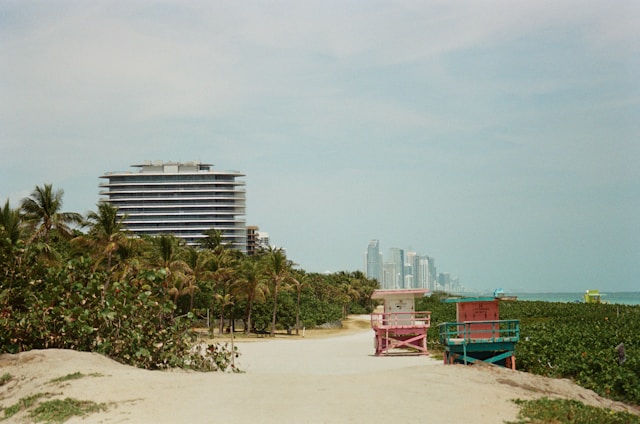
Florida’s hospitality sector is one of the strongest in the world, fueled by more than 140 million annual visitors, year-round tourism flow, and continued demand for upgraded and affordable hotel and motel lodging.
As banks tighten underwriting, private hotel and motel bridge loans have become the preferred financing solution for investors seeking fast closings, renovation capital, rebranding flexibility, and stabilization funding.
This guide explains how hotel and motel bridge loans work in Florida, what lenders require, market trends, eligible property types, and strategies for acquisition, renovation, repositioning, and distressed-asset rescue financing in 2025.
What Are Hotel & Motel Bridge Loans?
Hotel and motel bridge loans are short-term, interest-only commercial real estate loans used to:
- Acquire hospitality assets quickly
- Renovate or upgrade outdated hotels and motels
- Improve occupancy, ADR, and RevPAR
- Convert or rebrand independent motels into national franchises
- Rescue distressed or underperforming properties
- Refinance maturing CMBS or private notes
- Complete stalled renovation or expansion projects
Bridge lenders focus on the asset’s current and future value, not tax returns or bank-style income requirements.
Why Hospitality Bridge Loans Are Surging in Florida (2025)
- Tight bank underwriting across hospitality
- Aging hotel inventory statewide
- Strong tourism recovery and expansion
- High demand for modern, renovated rooms
- Rising insurance costs creating distress
- Maturing commercial loans requiring fast payoff
- Repositioning and rebranding opportunities
Eligible Property Types
- Limited-service hotels
- Select-service hotels
- Independent motels
- Boutique hotels
- Extended-stay hotels
- Beachfront motels and coastal hotels
- Highway and interstate motels
- Hospitality redevelopment projects
- Franchise conversions and rebranding
- Distressed hotels requiring stabilization
Properties with deferred maintenance or low occupancy remain eligible for bridge financing.
Typical Florida Hospitality Bridge Loan Terms (2025)
- Loan Amounts: $500,000 – $50,000,000+
- Leverage: 60%–70% LTV as-is; up to 75% LTC
- Stabilized Value: Up to 65%–70%
- Loan Term: 12–36 months
- Interest: Interest-only; risk-based
- Closing Speed: 10–21 days
- Uses: Renovations, FF&E, rebranding, franchise conversions, rescue loans
What Lenders Evaluate
- As-is asset value
- Renovation scope and capital expenditure budget
- Stabilized ADR, RevPAR, and occupancy projections
- Borrower or operator experience (helpful but not required)
- Market demand and tourism strength
- Clear exit strategy
Value-Add Hospitality Strategies in Florida
- Motel-to-Hotel Conversions
- Renovation and Modernization
- Reflagging or Rebranding
- Distressed-Asset Turnarounds
- Extended-Stay Conversions
Best Florida Markets for Hotel & Motel Investment (2025)
- Orlando / Kissimmee
- Miami / Miami Beach
- Tampa / St. Petersburg / Clearwater
- Jacksonville / Jax Beach
- Daytona Beach
- Naples / Marco Island
- Fort Lauderdale / Hollywood
Renovation Cost Ranges
- Light interior refresh: $4,000–$8,000 per key
- Full interior upgrades: $10,000–$20,000 per key
- Franchise PIPs: $12,000–$30,000 per key
- FF&E: $3,000–$12,000 per key
Exit Strategies for Hospitality Bridge Loans
- SBA 504 or 7(a) refinance
- Bank or credit-union refinance
- DSCR hospitality refinance
- Sale post-renovation
- Portfolio refinance
Conclusion
Whether you are acquiring a value-add hotel, repositioning a coastal motel, converting to a franchise brand, or rescuing a distressed hospitality asset, private bridge financing provides the speed and flexibility needed to succeed in Florida’s competitive hospitality market.
👉 Submit Your Florida Hotel or Motel Loan Scenario Today
FloridaHardMoney.com is not a direct lender. Loan scenarios are reviewed by private lenders who may contact borrowers directly.